
I Need Help: The Real Skills We're Teaching in the Kitchen
We all want to look like we’ve got it together—especially when we’re standing in front of a room full of kids.
But sometimes the most important thing we can model as instructors isn’t mastery. It’s humility.
And in our kitchen classrooms, that starts with three small words:
"I need help."
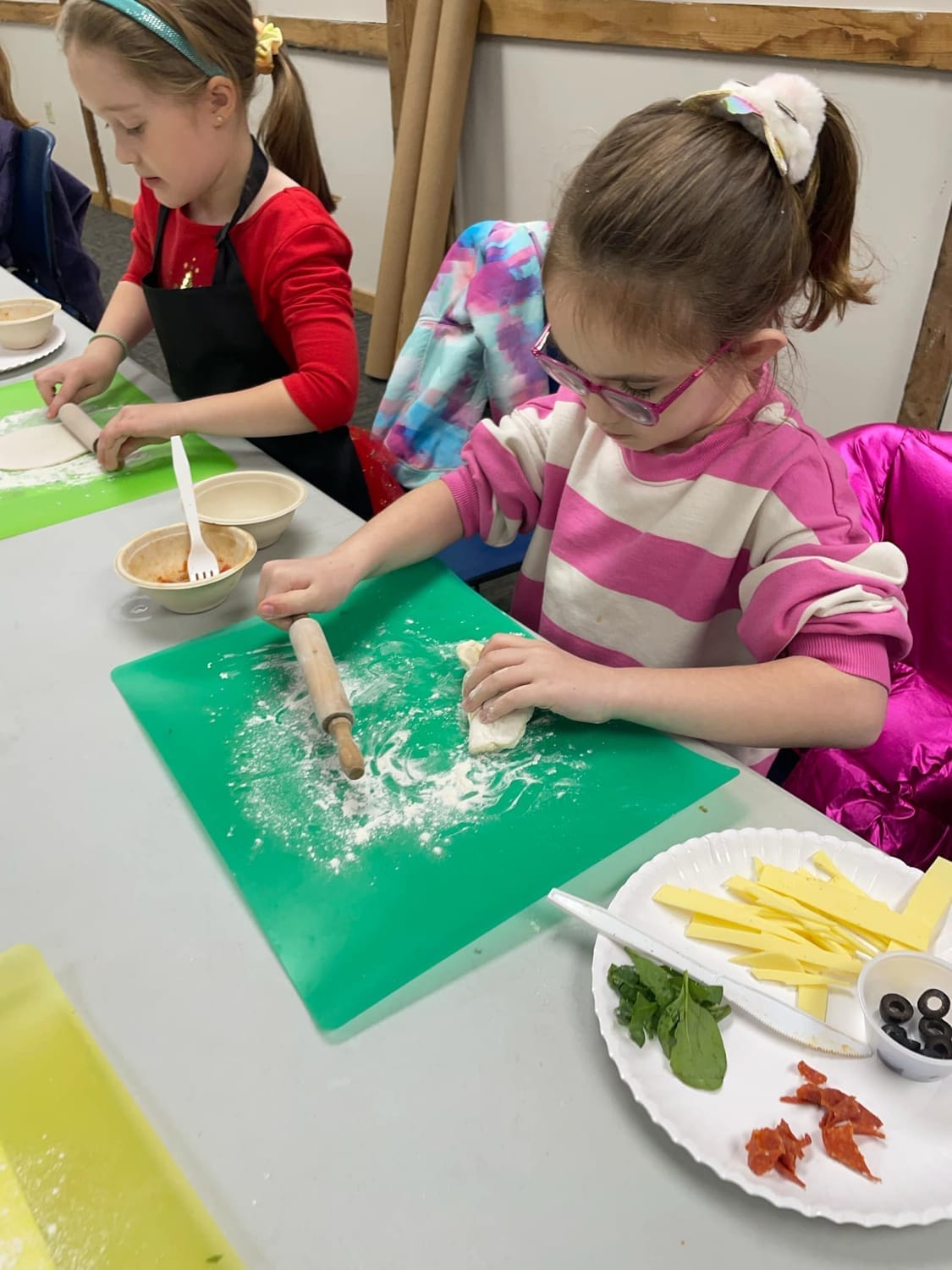
As culinary instructors, it’s easy to focus on technique—knife skills, measuring, mixing. But the foundation of every skill is the confidence to ask for guidance.
To teach this, we have to:
Normalize questions from day one
Celebrate moments of uncertainty as learning opportunities
Avoid rushing in to “fix” things—guide them instead
Be vocal when we don’t know something either (“Let’s figure it out together” goes a long way)
You are not just the source of information. You’re the emotional tone-setter. When students feel safe asking for help, they learn faster, take more risks, and engage more deeply.

In our instructor certification, we dive into how to build classroom culture from the inside out. It’s not just about what we teach—it’s how we invite students to participate.
You’ll learn methods to:
Prompt questions naturally
Identify when students are silently stuck
Create a feedback loop that builds confidence, not fear
These aren’t just soft skills—they’re core skills.
Every great chef, teacher, and leader was once a beginner who asked questions. And the best instructors? They’re the ones still asking. So go ahead—ask, listen, learn. That’s what we’re modeling. That’s what we’re passing on.
The most powerful thing we can teach is that asking for help isn’t weakness—it’s wisdom.
RELATED POST
Children's Culinary Education: Igniting a Global Effect with Lasting Impact.


Created with systeme.io